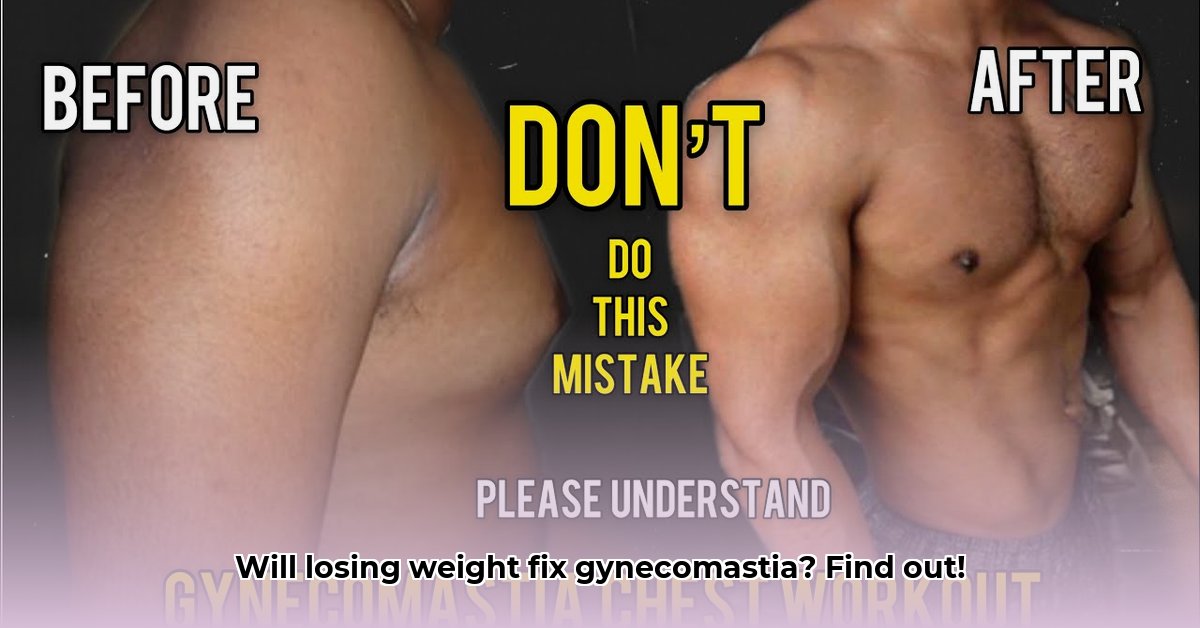
Understanding "Man Boobs": Two Sides to the Story
Many men experience breast enlargement, a condition often referred to as gynecomastia. However, understanding that there are two distinct types is crucial for effective treatment: pseudogynecomastia and true gynecomastia.
Pseudogynecomastia: Excess Fat
Pseudogynecomastia, also known as "fake gyno," is simply an accumulation of excess fat tissue in the chest area. This is often associated with weight gain and can sometimes be improved through weight loss. While reducing overall body fat may decrease the appearance of pseudogynecomastia, it's not a guaranteed solution, and fat reduction isn't always localized to the chest.
True Gynecomastia: Glandular Enlargement
True gynecomastia involves an actual increase in breast glandular tissue, caused by hormonal imbalances, certain medications, or underlying medical conditions. Weight loss alone will not effectively treat this type of breast enlargement. Addressing true gynecomastia requires a different approach.
Weight Loss and Your Chest: Realistic Expectations
If your breast enlargement is due to pseudogynecomastia, weight loss might reduce its appearance. However, remember that spot reduction (losing fat from just one area) is generally ineffective. Weight loss is a holistic process that affects the entire body. Does weight loss alleviate pseudogynecomastia? It can reduce chest fat, but it may not eliminate it entirely. For true gynecomastia, weight loss is largely ineffective.
The Crucial Need for Diagnosis
Self-diagnosing is risky. A doctor can accurately determine whether your breast enlargement is pseudogynecomastia or true gynecomastia. This involves a physical exam, possibly blood tests (to assess hormone levels), and potentially imaging techniques such as ultrasounds. A proper diagnosis is the cornerstone of effective treatment.
Treatment Paths: Tailored Approaches
Once diagnosed, several treatment options exist.
Lifestyle Changes: A healthy lifestyle, including diet and exercise, can be beneficial for managing pseudogynecomastia by reducing overall body fat. However, this approach is not a guaranteed solution and doesn't address true gynecomastia. Is exercise alone enough? For true gynecomastia, usually not.
Medications: In some cases of true gynecomastia, medication may be prescribed to address underlying hormonal imbalances. These medications require careful monitoring by your doctor due to potential side effects. What are the risks of medication? Potential side effects vary depending on the medication, necessitating careful medical supervision.
Surgery: For persistent true gynecomastia or significant pseudogynecomastia unresponsive to other treatments, surgery (gynecomastia surgery or liposuction) may be the most effective solution. Surgery provides permanent results by removing excess glandular tissue and/or fat. Is surgery always necessary? No, surgical intervention is generally considered a final option after other treatments have been explored.
Your Personalized Action Plan: A Step-by-Step Guide
Consult a Doctor: Schedule a consultation immediately to receive a correct diagnosis. This is the most crucial step.
Discuss Treatment Options: Based on your diagnosis, your doctor will outline the various treatment options and create a personalized plan.
Adhere to the Treatment Plan: Consistent adherence to your doctor's recommendations is essential for successful treatment.
Follow-Up Appointments: Regular check-ups allow your doctor to monitor your progress and make adjustments to your plan as needed.
Evaluating Treatment Choices: Pros and Cons
| Treatment Option | Pros | Cons |
|---|---|---|
| Lifestyle Changes (Diet & Exercise) | Non-invasive; improves overall health; may reduce pseudogynecomastia | Slow results; ineffective for true gynecomastia; results vary significantly |
| Medication | May address underlying hormonal imbalances | Potential side effects; may not be effective for all cases; needs medical supervision |
| Surgery (Breast Reduction/Liposuction) | Permanent solution; effective for moderate to severe cases | Surgical risks (infection, scarring); recovery time; cost; potential asymmetry |
Key Takeaways: The Bottom Line
- Gynecomastia has two forms: pseudogynecomastia (excess fat) and true gynecomastia (glandular enlargement).
- Weight loss can reduce the appearance of pseudogynecomastia but is ineffective for true gynecomastia.
- Treatment options vary widely depending on the specific type and severity of gynecomastia. A visit to your doctor is the critical first step to determine the best course of action for your individual situation.
- Effective treatment involves a personalized approach based on your doctor's evaluation and recommendations.
Remember, this information is for general knowledge and shouldn't replace professional medical advice. Always consult a healthcare provider for diagnosis and treatment.